

It’s officially autumn here in Sydney. After having a mix of days that hovered between hot and bright, and wet and muggy, with some of the wettest March days on record, we seem to be plunging into a tunnel of rain and cold. Daylight saving time is also about to end — still a strange phenomenon I haven’t fully gotten used to.
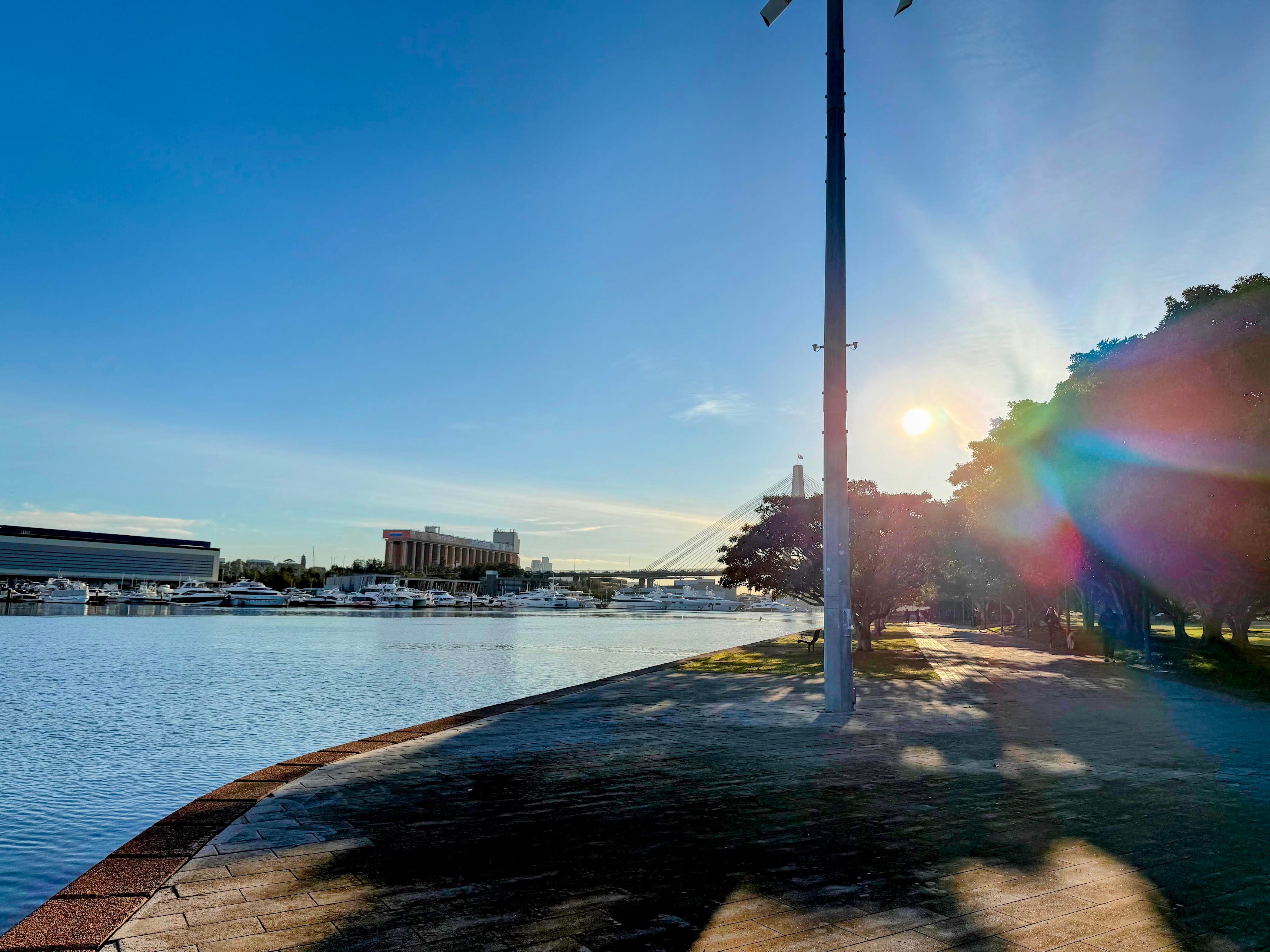
Rosalía’s live video for Berghain reminded me how much I listened to LUX during my morning summer bike rides in November and December of 2025. There was certainly nothing like being immersed in Mio Cristo Piange Diamanti and La Perla while cruising through Jubilee Park or dodging strollers and dogs on the walkway near Blackwattle Bay. During my first few listens, I couldn’t figure out what gave the album such oomph beyond her singing in 14 languages with such a distinct voice. Then I read on Wikipedia that the album was recorded with the London Philharmonic Orchestra. I’m no classical music aficionado, but it made sense: what I was responding to was the album’s musical arrangements, and how each song was crafted around Rosalía’s voice. Arranging seems a bit like architecture — a craft of taking disparate pieces to shape something larger.
Another kind of arranging I’ve long been fascinated by is the DJ set. The act of taking disparate pieces of music and turning them into an audio journey still feels magical to me. I tried my hand at it when I had two turntables and a mixer. I bought plenty of records and found great tracks, but I was never able to consistently bring them together in a way that felt satisfying.
Back in the early days of the web, I used to tune into Groovetech, which was effectively doing DJ livestreams before that was a normal thing. That’s how I discovered Chloé Harris and her techno-house sets. Later I saw her play at the club/gallery 111 Minna in San Francisco, and years after that I joined her and her friends to see the famous DJ Sasha spin in downtown Seattle. From there, we drove over to a warehouse in Ballard where she played a set of her own to close out the night. I got back to my hotel at dawn, the brisk, dewy morning just starting to emerge over Lake Washington.
Despite Boiler Room and all its variations, these days I’m most interested in sets that place music outside of a crowded club. Nastia’s mix at Pyrohiv Village is one such example. On Login.jp_ DJs play in places like small yakitori joints, archery ranges, and rice fields. For me, well-curated music feels best when it becomes part of everyday life.
Maybe that’s why “Odakyu Line,” from Anew by Radwimps, has been resonating with me recently. The song takes something ordinary — riding a train — and turns it into a space to reflect.
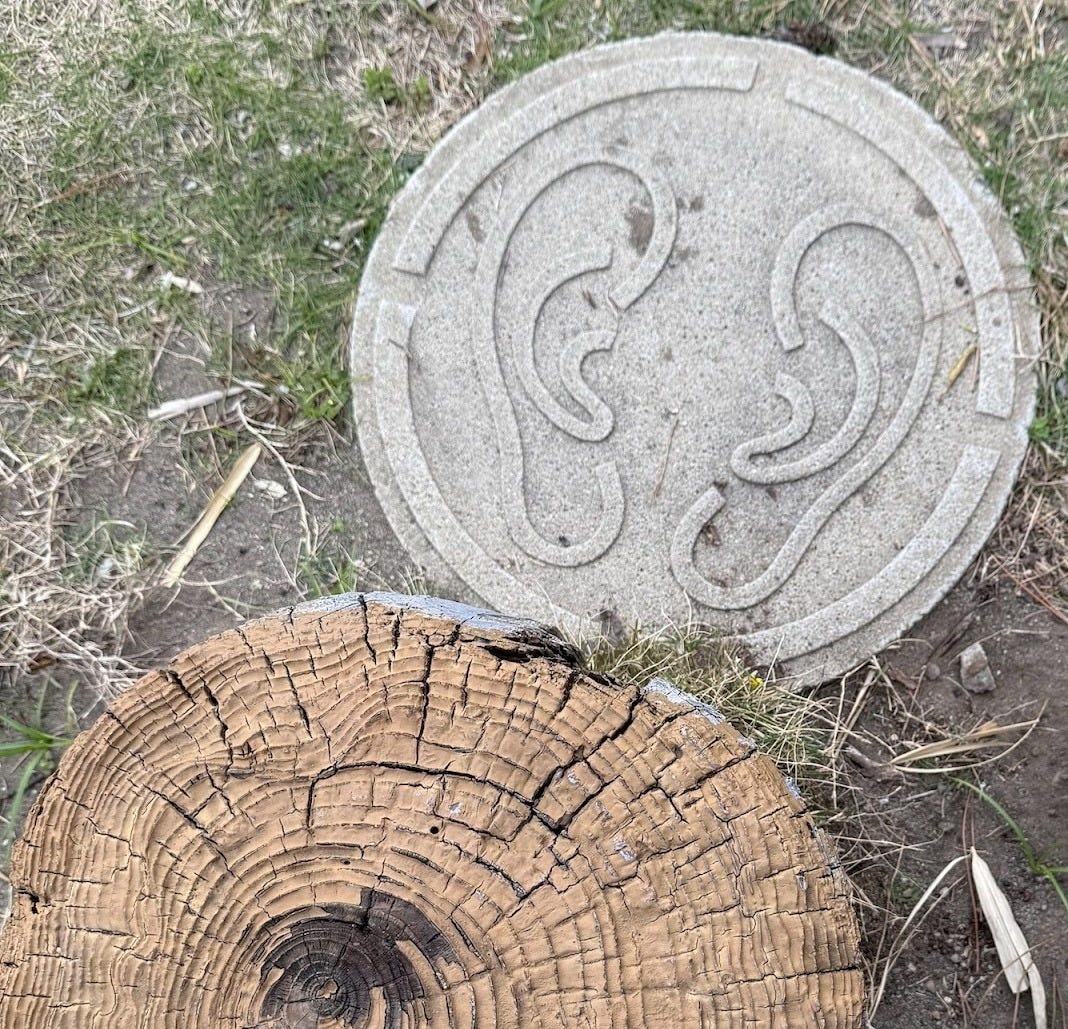
Last year, on the weekend before a design conference in Yokohama, I decided not to do the typical Tokyo thing. Instead I went in the opposite direction — to Zushi on Saturday and Ōfuna on Sunday. In Zushi, I meandered toward the seaside area of Hayama, visiting cafes, temples, and the local museum. In the seaside garden, there was a piece by Suzuki Akio: stone plates with ears and feet, inviting people to stand on them to listen carefully “to discover some unique music of your very own.”
In Ōfuna, I visited the site of a Large Buddha, then walked to a suburban cafe to do some journaling while the heat swelled outside. As the day cooled, I took a side trip on the Shonan monorail to Enoshima station. After having a meal and watching crowds squeeze their way onto the ever-popular Enoshima Island, I opted to call it a day and head back to Yokohama.
What I like is how undramatic that weekend was: no grand plans or epiphanies. Just some train rides, coffee, and writing. Enough of a detour from the usual route to look at a different horizon and see what was there.
Bonus beats
Usually Resonance takes the form of an annual media collage. This is a side route, reflecting on a few things from the first quarter of 2026.
Some nice words about Rosalía’s recent concert in Madrid: “Rather than isolated moments, the performance unfolds as a carefully constructed narrative in which avant-garde and tradition coexist seamlessly.”
Some nice sounds from 楚々 葉山, an unexpectedly lively cafe hidden in a quiet Hayama neighbourhood. I wrote a bit more about it in Japan Food Notes 2025.
Some Login.jp_ sets: Michika at a stationery shop; Akari at a yaki-imo truck; Takuya Nakamura in a rice field.
Other tracks from Anew: Tamamono for high energy, World End Girl Friend for playful vibes.
Writing this brought back this Sotetsu Train Commercial which, in one unbroken shot, shows a father seeing his daughter off from the same train ride across the years.
I also found a 27-year old article about Groovetech. Ah, the early days of writing on the web.
One of Chloé Harris’ more recent DJ sets as Raica: a Relaxing Ambient Experimental Set for Humano Studios. There’s also Volume 2 and Volume 3.
Once in a while, I’m still willing to go into a crowded club. In the middle of last year’s design conference I took a late train to Shibuya to see Elli Arakawa spin a set at the small club Enter. It was dark, loud and smoky, with a motley mix of Tokyoites jumping to the throbbing beats. When it was over, I took the first train back to Yokohama, among other early birds making their way to work, school, life — the brisk, dewy morning just starting to emerge over Tokyo Bay.